Share Solar Power Without Installing New Cables
More and more properties are generating their own renewable electricity, but it cannot always be used where the demand exists. What if surplus electricity generated by solar panels on one rooftop could be put to use in a neighbouring property – without the need to install any new cables? This is the starting point for VDE, a project exploring how self-generated electricity can be virtually shared between properties through the existing electricity grid.
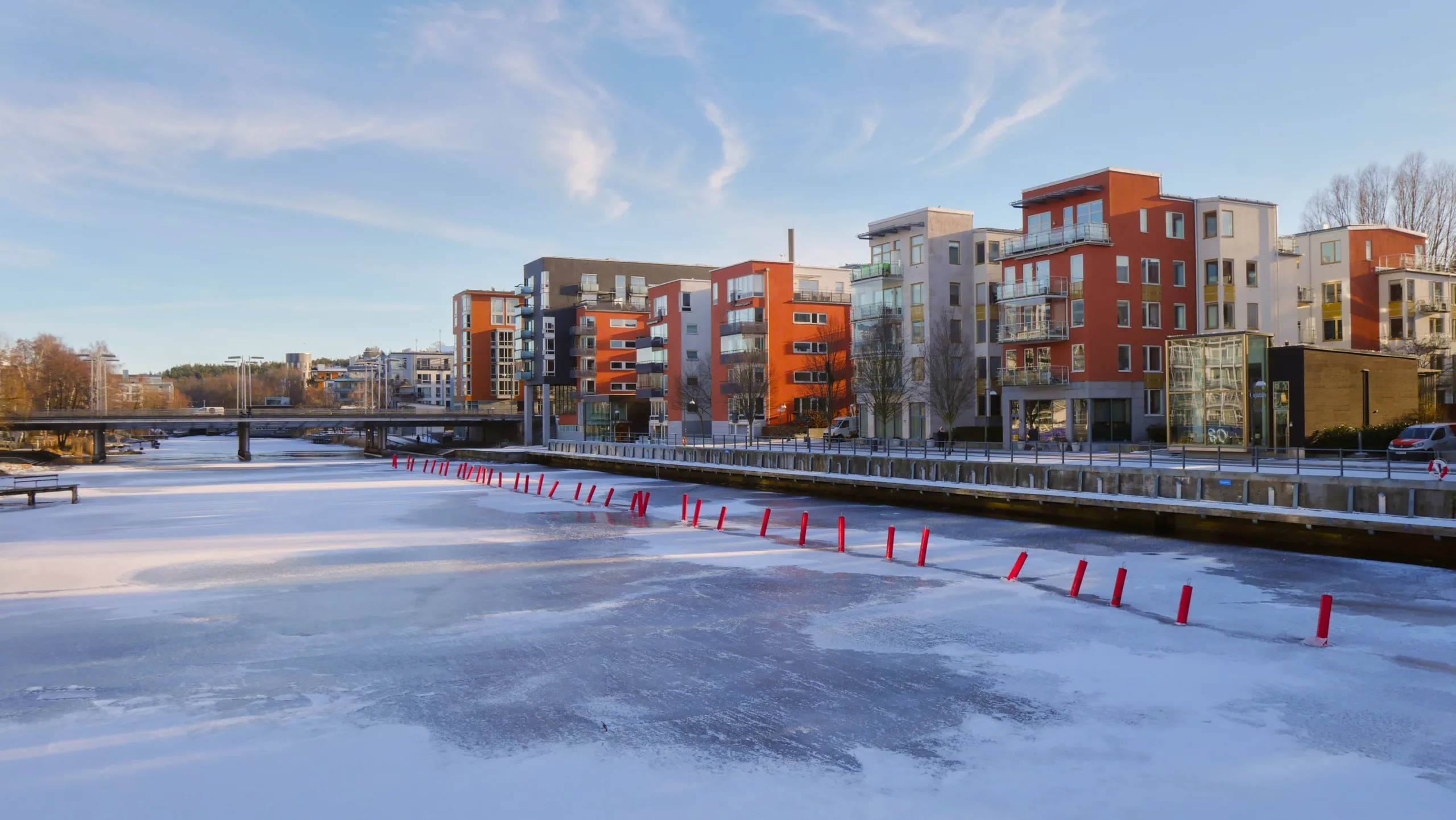
The aim is to develop models and practical approaches that make energy sharing possible in practice. Using Hammarby Sjöstad as a test area, the project examines both the technical and economic conditions, as well as what is required from electricity network operators, electricity suppliers and energy communities.
A new opportunity for local energy sharing
Energy communities enable residents, property owners and other local stakeholders to collaborate on energy production and consumption. The concept is playing an increasingly important role in the EU’s energy transition, paving the way for more localised and decentralised energy systems.
VDE builds on previous research and experience from Hammarby Sjöstad and Tamarinden in Örebro. One important conclusion from this work is that, in densely built-up areas with a functioning electricity grid, there is not always a need to construct separate grids to share energy. Instead, virtual sharing can make it possible to distribute the value of locally generated electricity through the settlement of electricity production and consumption between different properties.
The project takes the next step by testing this model in a real-life energy community and examining what is required to make it work for all parties involved.
A real-world pilot in Hammarby Sjöstad
In Hammarby Sjöstad, a pilot is being carried out in which a property with solar power generation shares its surplus electricity with a housing cooperative in the area. Both properties are connected to the same electricity bidding zone but have no direct cable connection between them. Instead, sharing takes place by offsetting generated and consumed electricity against each other through the existing electricity grid.
The pilot is being conducted within the Hammarby Sjöstad Energy Community and brings together several key players in the energy market. Bixia contributes expertise in electricity trading and settlement, Ellevio provides metering data and a grid operator’s perspective, KTH contributes research and economic analyses, and Bengt Dahlgren provides technical expertise. ElectriCITY coordinates the project and represents the members of the energy community.
By using actual metering data and electricity bills, the project can examine how energy sharing works in practice and identify the operational processes that need to be developed.
Technology, economics and new ways of working
For virtual energy sharing to work, both technical solutions and clear conditions for participating stakeholders are required. VDE explores several key areas:
• Metering and data sharing. What equipment is needed to measure electricity generation and consumption, and how should information be transferred between properties, electricity network operators and electricity suppliers?
• Individual metering and billing. How can energy sharing work in housing cooperatives where electricity is purchased collectively and distributed among individual apartments through individual metering and billing (IMD)?
• Economic conditions. What costs and benefits arise for property owners, energy communities, electricity retailers and electricity network companies? The project also analyses how different tax and grid tariff regulations affect profitability, and what financial incentives may be needed to encourage more people to share their self-generated electricity.
• Agreements and administration. What roles, agreements, billing procedures and operational processes are required to make energy sharing possible?
The project also analyses how different tax and grid tariff regulations affect profitability, and what financial incentives may be needed to encourage more people to share their self-generated electricity.
A changing regulatory framework
The opportunities for sharing self-generated electricity are also evolving through changes in legislation. The new Electricity Market Act, which under the project’s current assumptions will enter into force on 1 January 2027, will create new opportunities for electricity customers to share electricity within the same bidding zone and require electricity suppliers to provide solutions that enable this.
VDE follows the transition from today’s pilot solutions towards a more established service in the electricity market. The experience gained in Hammarby Sjöstad will contribute valuable knowledge about how the regulatory framework can be applied in practice and what conditions need to be in place.
A model that others can adopt
The ambition is for the results from Hammarby Sjöstad to be applicable far beyond the local neighbourhood. The project will therefore develop a general model, including recommendations on technology, economics, agreements and operational processes.
Through collaboration between researchers, the energy industry, property owners and energy communities, VDE aims to make local energy sharing more accessible. In the long term, this could lead to better utilisation of the solar electricity already being generated, create incentives for additional renewable energy production and enable more people to participate in the energy transition.
Knowledge and results will be shared through workshops, seminars, a final conference and scientific publications. The work is carried out in dialogue with energy communities, public authorities, municipalities and energy companies in Sweden and across Europe.
Project period
Oct 2025 - Mar 2027
Project info
Categories Energy, Digitalization
Project nameVDE – Virtuell Delning inom Energigemenskaper (Virtual Energy Sharing in Energy Communities)
LocationHammarby Sjöstad
PartnersBengt Dahlgren, Bixia, ElectriCITY, Ellevio och KTH
FinancingEnergimyndigheten
Total budgetSEK 5,029,690
Project coordinatorElectriCITY
Contact person at ElectriCITY
Rickard Dahlstrand

Partners